
Choosing the Right Chocolate or Confectionery Packaging
In the world of packaging, there are a million and one different combinations of styles and materials that you could choose from. While the amount of customisation available to you is incredible, it can also make it really hard to know where to start. Today, we will be walking you through all your main confectionery containment options to help you narrow down exactly what it is that you need from your packaging.
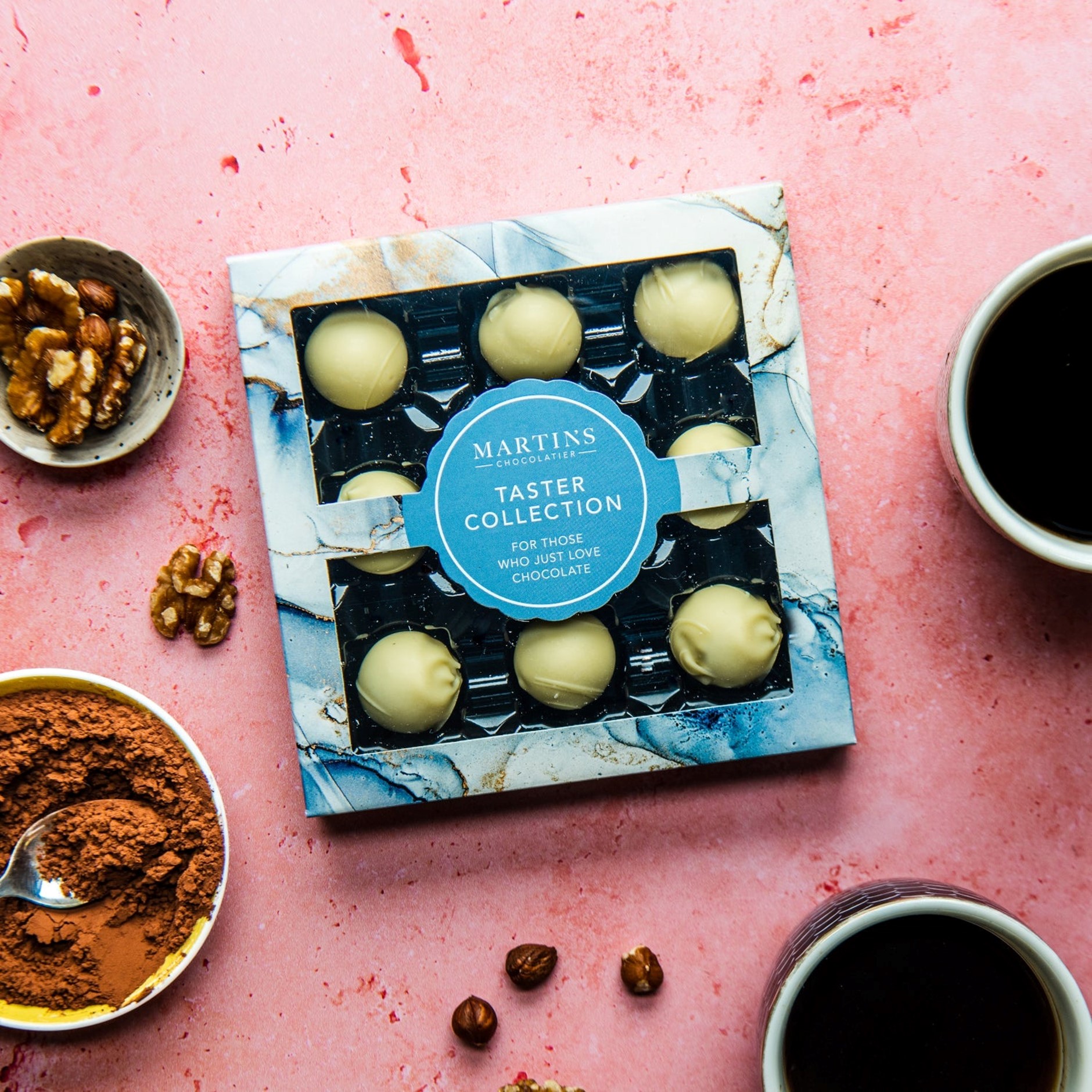
Let’s start with the basics, as most chocolate packaging requires some kind of box, whether it’s a flat tray or a deeper style container. The majority of boxes are made of rigid card, with some type of branded embossing, debossing, foil, gloss UV, or see-through window, to allow your confectionery to be transported securely.
In some other cases, there is the option for solid plastic packaging or bags that allow you to see the chocolates within. These are especially popular with businesses that manufacture high-end Easter eggs (so you can see the craftsmanship that has gone into making the whole egg) or collections of smaller confectionery (so you can fit more product into the bag than if you had a rigid box).
Packaging for Chocolate Boxes: Beyond the Outer Box
Beyond the outer packaging, there can be many other elements beyond the basic box. These can range in purposes from presentation to protection, such as:
Protective chocolate trays
Trays are the plastic inserts which your confectionery will sit in, separating each chocolate. They are especially popular in high-end chocolate boxes, where each individual piece is given its space to shine, as well as being protected from damage during transit.
Inserts and dividers
Inserts and dividers are very similar in concept to trays, in that they separate different sections of your box, however they do not always separate every single piece of chocolate, and are commonly made from card rather than plastic.
Sleeves and wraps
Outside your box, you can add an extra layer of protection by using a sleeve or a wrap to make sure it doesn’t pop open during transit. Sleeves will slide around the outside of the box and are usually made of a type of card, whereas a wrap is more likely to completely encase your box and can either be plastic or paper-based.
Tissue paper and presentation materials
Besides inserts and trays, you can also use tissue paper, shredded paper, or cushion pads to present your confectionery and keep it protected internally in transit. Adding a branded layer of paper or cushion pad above your chocolate for the customer to remove when they are opening the box can reinforce a luxury feel and position your brand as more high-end, when you haven’t actually done anything different to your confectionery.
Transit packaging for eCommerce
If you’re selling your chocolates online, it can be easy to forget that transit packaging is just as important as the on-shelf packaging. Using proper outer shipping cartons and secure internal packaging helps prevent any damage during transit, so your customers receive their confectionery in the same condition that it left the manufacturing line.
Branded finishing touches such as stickers and ribbons
A few little finishing touches can really make a difference in how your customers see your brand. Things like printed stickers, branded ribbons, gift tags, personalised seals, and thank-you cards all help create a more premium feel, while also strengthening your brand identity and inspiring customers to come back for more.
Why Chocolate Trays Are Essential
For batches of smaller, more bespoke chocolates, having a tray or an insert is the key to good presentation. The structure they provide gives you the chance to show off the designs of your confectionery, while keeping your different flavours separate, which is especially important for collection boxes and to keep allergens away from each other.
This is especially important for selection boxes and artisan chocolate collections, where the presentation needs to match the quality of the product. For products like these, where the look matters, individual compartments are a great solution for keeping decorative finishes looking their best and preventing chocolates from knocking together and getting damaged.
Chocolate Box Design That Reflects Your Brand
Your packaging is often the first point of contact customers have with your brand, so putting your best foot forward with the design is a really important step in your customers’ buying journey.
To add value and build or continue with a solid brand identity, your first consideration should be how your packaging supports and fits in with the rest of your branding. However, if you have not yet established a solid set of brand guidelines, you should be aware that colours have a big impact on how people feel about your product. In the confectionery industry, deep browns, golds, silvers and blacks often suggest high quality, while pastel shades can create a softer, more handcrafted image for your brand.
How to Choose a Chocolate Packaging Supplier
Choosing the right chocolate packaging supplier is just as important as picking the packaging itself, and finding someone who truly understands your needs can make all the difference. Whether you’re launching a new chocolate range or giving your existing packaging a fresh look, a professional, knowledgeable supplier will get to know your brand and support you in protecting and presenting your chocolates in a way that you are proud of.
If you’re looking for personalised confectionery or chocolate packaging that’s perfectly suited to your product’s specific needs, the team at Meridian is here to help. Reach out today to chat about your packaging, and we will be more than happy to support you in finding the right packaging solution for your confectionery.


